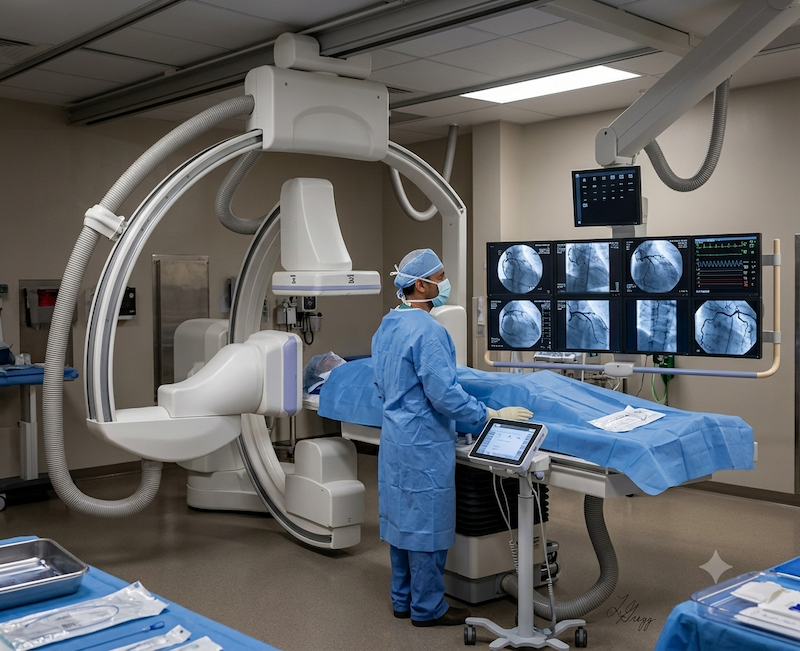
Definition
Coronary artery disease refers to a blockage in the arteries that supply blood to the heart. If it occurs suddenly, this results in a heart attack. The blockages are usually a result of fat and fibrous materials that deposit on the inner surface of arteries.
Possible causes
Coronary artery disease normally occurs as a result of aging, but is accelerated by smoking, obesity, tobacco use, poor diet, lack of exercise, and a genetic predisposition.
When to seek care
You should be concerned about coronary artery disease if you have any of the following symptoms:
- Chest pain
- Shortness of breath
- An inability to perform the activities you were previously able to perform
- Fatigue
- “Atypical chest pain”, including shoulder pain, neck pain, back pain, etc.
How coronary artery disease is evaluated by a cardiologist
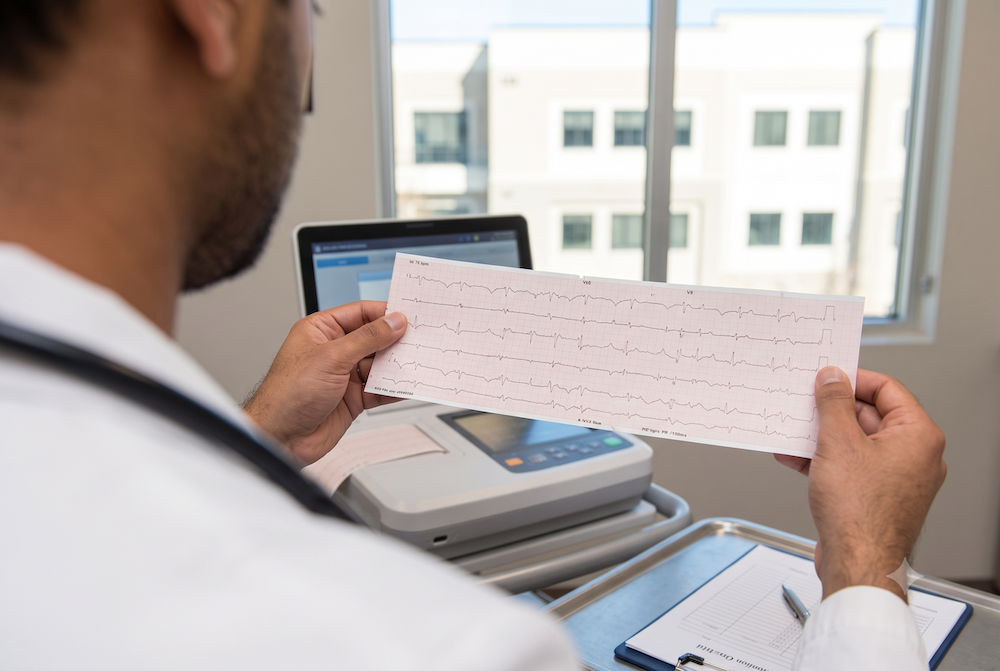
- ECG
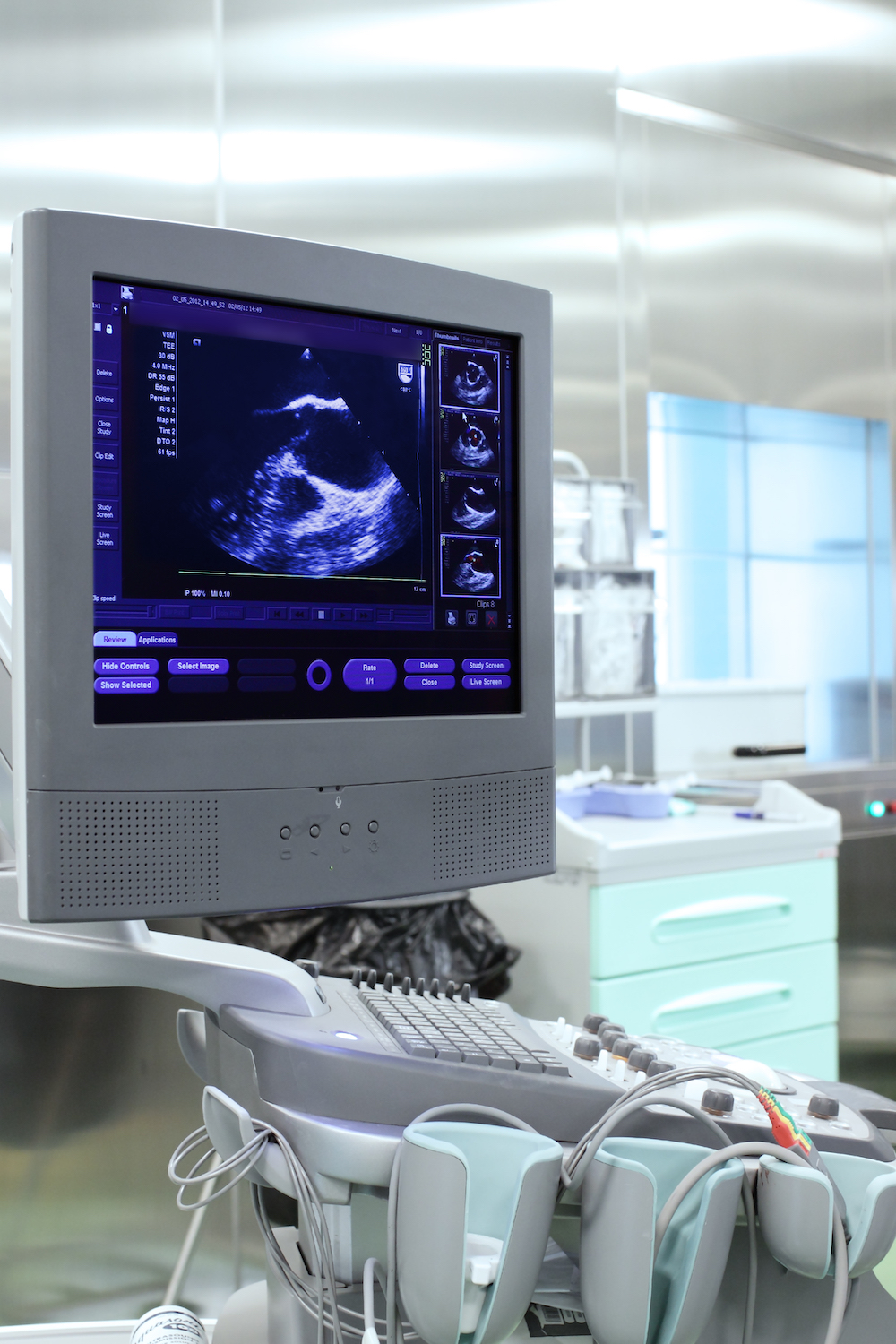
- Echocardiogram
- Stress testing
- Coronary calcium score
- Cardiac catheterization


 Appointments in 1–3 days